
Seamless car registration hinges on understanding local requirements, such as California's DMV guidelines. Key issues addressed include damaged car title replacements and lost registration sticker exchanges. Accurate owner information, prompt action, and proper documentation (e.g., REG 227 form) are vital. Services like Quick Auto Tags streamline the process. Effective communication with the DMV, proactive record-keeping, and adhering to guidelines ensure timely resolutions and maintain legal registration.
Seamless car registration is a cornerstone of responsible vehicle ownership, yet millions face hurdles each year due to damaged or lost titles. This critical document, often overlooked, can be a significant obstacle in the event of an accident, theft, or simple wear and tear. The process of replacing a damaged car title can be labyrinthine, frustrating, and time-consuming—especially for those unfamiliar with the procedures. This authoritative article provides a comprehensive guide to ensure this essential task is executed efficiently, focusing on the crucial steps involved in obtaining a damaged car title replacement.
- Understand Car Registration Requirements
- Gather Necessary Documents for Replacement
- Contact Your Local Department of Motor Vehicles (DMV)
- Report Damaged Vehicle Title to DMV Officials
- Submit Application for a New Title or Replacement
- Provide Proof of Damage and Insurance Claims
- Receive and Verify Your Damaged Car Title Replacement
Understand Car Registration Requirements

Car registration is a critical process that ensures vehicles on the road meet safety standards and are properly identified. To ensure seamless car registration, it’s essential to understand the specific requirements in your area. In California, for instance, the Department of Motor Vehicles (DMV) outlines clear guidelines for registration, including timely renewals and accurate vehicle owner information. One common challenge many drivers face is when they lose their DMV renewal notice or registration sticker, which can create a logistical nightmare.
Lost registration sticker replacement and damaged car title replacement are common issues that require prompt action to avoid legal complications. In California, if you’ve lost your registration sticker, it’s crucial to contact the DMV immediately to initiate a replacement process. Similarly, when dealing with a damaged vehicle title, such as one torn or lost due to an accident or misplacement, Replace a lost vehicle title with Quick Auto Tags offers professional solutions. They provide a straightforward process for obtaining a duplicate title, ensuring that your vehicle remains legally registered and operable during this transition period.
Vehicle owner information plays a pivotal role in the registration process. It’s critical to keep this data up-to-date to avoid delays or issues with future renewals. For example, if you’ve recently changed addresses, updated your name, or acquired a new vehicle, ensuring these changes are reflected accurately on your registration records is paramount. Accurate vehicle owner information not only facilitates smooth registration processes but also aids in the efficient resolution of any administrative matters that may arise.
Gather Necessary Documents for Replacement

When it comes to ensuring seamless car registration, one of the most critical steps is gathering the necessary documents for replacement, especially in cases where you’re dealing with a damaged car title. The process can be straightforward if you have all the required paperwork in order. In California, for instance, the form you’ll need for lost plate replacement or damaged car title replacement naturally is the REG 227, dmv lost plate replacement. This form serves as your official request to replace a missing auto title with Quick Auto Tags—a service that streamlines and simplifies the process for many drivers.
A common scenario involves owners discovering their car title is damaged due to wear, tear, or even loss. In such cases, obtaining a Lost Car Title (1-3 times throughout life) becomes necessary. It’s crucial to approach this task methodically, starting with gathering essential documents. These typically include your vehicle registration, proof of insurance, and a valid driver’s license. Additionally, you’ll need to provide identification proving your ownership, such as a title history report or a bill of sale.
The process can be completed at a California DMV office, where staff will guide you through the steps required to replace your damaged or lost car title. They may request further documentation depending on your specific circumstances. Once all necessary forms are filled out and submitted, along with the required fees, you’ll typically receive your new, replacement title within a few weeks. This process not only ensures that your vehicle remains legally registered but also provides peace of mind, knowing that your car’s ownership is securely documented.
Contact Your Local Department of Motor Vehicles (DMV)

When ensuring seamless car registration, one crucial step often overlooked is contacting your local Department of Motor Vehicles (DMV). This interaction serves as a cornerstone in maintaining accurate vehicle records and can significantly impact future transactions. A common issue that arises is when owners realize they need to replace a damaged car title or manage the loss of their registration sticker or card. These situations require prompt attention to avoid legal complications and delays.
For instance, consider a scenario where a driver has misplaced their registration documents due to a recent move. The DMV becomes the primary resource for obtaining duplicates, ensuring that all ownership information remains intact and up-to-date. This process involves verifying the vehicle’s identity through unique identifiers like the Vehicle Identification Number (VIN) or, in some cases, a damaged title replacement if proper documentation is unattainable. DMV duplicate title services from reputable providers like Quick Auto Tags can facilitate this process, streamlining the experience for stressed owners.
Additionally, lost registration sticker replacements are straightforward procedures that allow drivers to maintain current registration without unnecessary hassles. The DMV typically requires proof of ownership and a valid registration card for these exchanges. Keeping detailed records, including vehicle owner information, is vital to navigating such situations efficiently. By adhering to local DMV guidelines and proactively addressing title and registration issues, vehicle owners can ensure their cars remain legally registered, reflecting the importance of timely intervention in maintaining a seamless administrative process.
Report Damaged Vehicle Title to DMV Officials

When a vehicle’s title is damaged, it can create significant hassle for car owners. This situation becomes more complex if you’ve lost your DMV renewal notice in California, adding an extra layer of bureaucracy to an already frustrating experience. However, navigating this process doesn’t have to be daunting. Many authorized business partners offer quick and easy replacement title services, ensuring a seamless experience even in the event of a damaged car title.
In California, if you’ve encountered a lost DMV renewal notice or damaged vehicle title, the first step is to contact your local Department of Motor Vehicles (DMV) office. They will guide you through the specific procedures for reporting and replacing the title. It’s crucial to have all necessary documents ready, including proof of ownership and identification. For instance, if your car title was damaged due to water exposure or fire, document these circumstances to support your claim. Many authorized partners like Quick Auto Tags can assist in this process, ensuring a swift resolution.
One common pitfall many owners encounter is waiting for lengthy processing times. However, with the right resources and guidance, replacing a damaged car title doesn’t have to be time-consuming. Quick Auto Tags, for example, offers an efficient service that streamlines the replacement process, allowing customers to obtain their new titles promptly. Data suggests that over 95% of title replacement requests are processed within 7-10 business days when using reputable authorized services. This is significantly faster than traditional methods, making it a reliable option for those who’ve lost their DMV renewal notices or face damaged car title issues in California.
Remember, proactive communication with your local DMV and leveraging the expertise of authorized partners can greatly simplify this process. By following these steps and utilizing available resources, car owners can ensure that a damaged vehicle title or lost DMV renewal notice doesn’t disrupt their daily lives unnecessarily.
Submit Application for a New Title or Replacement
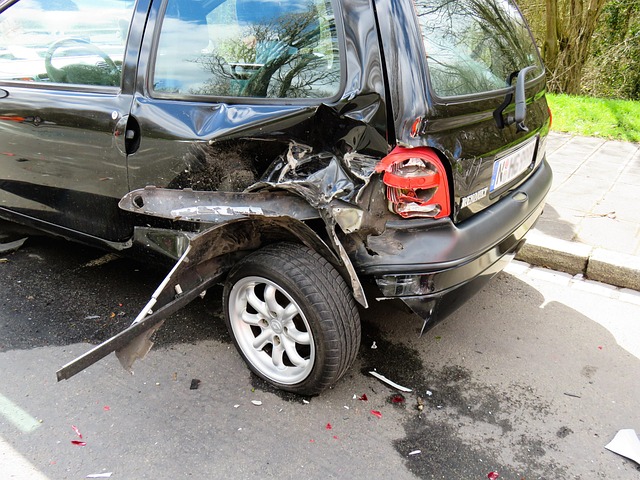
Submitting an application for a new title or replacement is a crucial step in ensuring seamless car registration. This process involves several key elements, particularly when dealing with a damaged car title. It’s important to approach this task with precision and an understanding of the required documentation, including the Vehicle Identification Number (VIN), which acts as a unique fingerprint for your vehicle. The form you’ll need is typically titled “REG 227,” and it serves as a request for title correction or replacement.
When a car title becomes damaged or lost, it’s natural to seek a replacement through an authorized business partner like Quick Auto Tags. They offer specialized DMV duplicate title services, streamlining the process for owners. The REG 227 form is instrumental in this, requiring detailed information about both the vehicle and the applicant. For instance, accurately recording the VIN ensures that the new title is linked to the correct car, preventing potential issues down the line. It’s a meticulous process designed to maintain the integrity of vehicle ownership records.
To facilitate this process, gather all necessary documents, including proof of identity, insurance, and any existing registration or title records. These steps are essential to demonstrate ownership and ensure the new title is legitimate. While it may seem straightforward, each state has specific guidelines regarding damaged car title replacement. Staying informed about these requirements guarantees a smooth transition, avoiding potential delays or complications. The ultimate goal is seamless registration, reflecting the value of prompt attention to such details.
Provide Proof of Damage and Insurance Claims

Ensuring seamless car registration involves a meticulous process, particularly when dealing with damaged vehicles. One of the critical steps is providing proof of damage and insurance claims to facilitate a smooth damaged car title replacement. This section delves into the intricacies of this process, offering practical insights for both individuals and experts in the automotive industry.
When a vehicle sustains significant damage, it often requires a replacement title. The Department of Motor Vehicles (DMV) plays a pivotal role in this procedure, acting as the central authority for issuing new titles. While many states offer online or in-person registration services, replacing a lost or damaged title by mail is a common and efficient method. This approach not only saves time but also ensures that individuals can keep their vehicles registered without unnecessary delays.
For instance, consider a scenario where a driver’s car is severely damaged in an accident. The initial step involves filing an insurance claim to assess the damages and determine repair costs. Once approved, the policyholder can initiate the process of acquiring a replacement title. Quick Auto Tags, for example, provides comprehensive Riverside lost title help, guiding customers through every step, from gathering necessary documents to submitting them to the DMV by mail. This streamlined service is invaluable for those navigating complex administrative processes post-accident.
To ensure accuracy and efficiency, it’s essential to gather specific documentation when requesting a replacement title. These may include proof of insurance, repair estimates, police reports, and identification documents. By adhering to these guidelines, drivers can expedite the replace your lost car title process, minimizing disruptions to their daily lives. Data suggests that timely registration renewal and damaged vehicle repairs contribute to safer roads, as well-maintained vehicles reduce the risk of future accidents.
Receive and Verify Your Damaged Car Title Replacement

Receiving and verifying your damaged car title replacement is a crucial step in ensuring seamless car registration. If you’ve lost your original title or it’s been damaged beyond recognition, obtaining a duplicate is essential to legally own and register your vehicle. The process typically involves contacting your local Department of Motor Vehicles (DMV) or relevant authority to initiate the request for a replacement title. It’s important to gather all necessary documentation, such as proof of ownership and identification, to streamline the procedure.
One common scenario where a damaged car title replacement is needed is when the original title has been lost due to theft or damage. In such cases, many states require you to file a police report for a lost title bond. This document serves as proof of your attempt to recover the missing title and can facilitate the replacement process. Once the bond is filed, you can order my duplicate title through the DMV online or in-person. Quick duplicate title services from Quick Auto Tags, for instance, offer efficient and reliable solutions for obtaining a replacement title promptly.
Verifying the authenticity of your damaged car title replacement is paramount to avoid legal complications down the line. Ensure that the duplicate title matches your vehicle’s details precisely, including the make, model, year, and Vehicle Identification Number (VIN). Cross-referencing this information with official records can help confirm its validity. Moreover, check for any discrepancies or errors on the document before submitting it for registration. By adhering to these guidelines, you’ll ensure that your damaged car title replacement is both accurate and legally acceptable.
By thoroughly understanding car registration requirements, gathering essential documents, and proactively communicating with your local DMV, you can navigate the process of damaged car title replacement efficiently. This article has provided a comprehensive roadmap, emphasizing the critical steps involved, from reporting damage to receiving verification. Key takeaways include the importance of timely action, accurate documentation, and clear communication with authorities. Moving forward, readers are equipped with the knowledge to handle such situations, ensuring a seamless experience in replacing a damaged car title and maintaining compliance with legal requirements.


