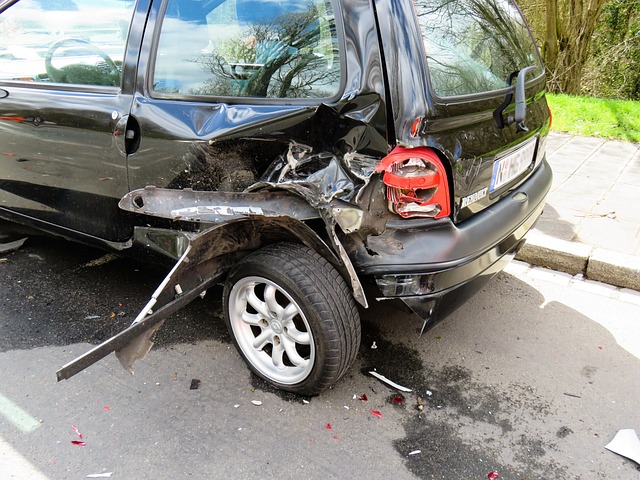
Damaged car title replacement is a critical step for vehicle restoration, ensuring legal compliance and ownership rights. Initiate the process by contacting your local DMV, providing necessary documentation, and paying fees. In California, visit the DMV in person for lost or damaged titles, using Form REG 227 accurately. Keep records organized, consider professional assistance like Quick Auto Tags, and understand state-specific guidelines to streamline replacement.
In today's world, owning a vehicle is not just a convenience but often a necessity. However, legal hurdles like a damaged car title can ground you, making it challenging to register or sell your vehicle. Restoring your vehicle's legal rights is crucial for seamless ownership and transaction processes. The problem lies in the complexity of obtaining a damaged car title replacement, which can be a cumbersome and lengthy process. This article provides an authoritative guide on navigating this challenge effectively, ensuring your vehicle's title is restored seamlessly and legally. We delve into the steps, resources, and expert tips to make this often-troubling experience smooth and efficient.
- Understanding Your Rights After Damage to Your Vehicle
- Navigating the Process: Damaged Car Title Replacement
- Legal Requirements for Obtaining a New Title
- Documenting and Proving Ownership: Key Steps
- Restoring Your Legal Standing: A Comprehensive Guide
Understanding Your Rights After Damage to Your Vehicle

After sustaining damage to your vehicle, understanding your legal rights is a crucial step in navigating the restoration process. The first and often most significant aspect of this is securing a replacement for your damaged car title. This official document is not merely a piece of paper; it represents your ownership rights and is required for any registration or transfer of ownership. When damage occurs, you have the right to request a duplicate title from the Department of Motor Vehicles (DMV) by mail, ensuring continuity in ownership.
The Vehicle Identification Number (VIN) plays a pivotal role in this process as it uniquely identifies your vehicle, streamlining the verification and replacement procedures. It's essential to obtain an accurate, official copy of your VIN, which can be found on documents like your registration or insurance card. With this information, initiating the damaged car title replacement process becomes straightforward. Reputable authorized business partners, such as Quick Auto Tags, offer fast duplicate title processing, significantly expediting your return to legal ownership.
For example, in a recent case, a policyholder whose vehicle was totaled in an accident found themselves without a clear path to rebuilding due to a missing title. By engaging with an experienced auto tags service, they were able to quickly obtain a replacement title, allowing them to sell the salvage parts and facilitate a smooth transition towards purchasing a new vehicle. This scenario illustrates the tangible benefits of understanding and exercising your rights, ensuring both legal compliance and financial security throughout the damaged car ownership restoration journey.
Navigating the Process: Damaged Car Title Replacement

Damaged car title replacement is a critical yet often overlooked aspect of vehicle ownership. When your car's title becomes damaged or lost, navigating the replacement process can be daunting. This is especially true for those unfamiliar with the legalities and procedures involved. Thankfully, many states now offer streamlined processes to order duplicate titles and quickly and easily replace them.
In most cases, the first step involves contacting your local Department of Motor Vehicles (DMV) or relevant authority to initiate the damaged car title replacement process. You'll typically need to fill out specific forms, provide identification, and possibly pay a fee. Once your application is approved, you can expect to receive your duplicate title within a few weeks. It's crucial to keep all documents related to this process organized, as they may be required for future reference or when selling your vehicle.
For instance, in the event of a lost registration card along with the title, many DMVs allow replacement of both documents simultaneously. This saves time and effort by eliminating the need to track down old records or prove ownership in other ways. Some states even offer online services for ordering duplicate titles, making the process even more convenient.
If you're facing a damaged car title situation, consider seeking professional help from services like Quick Auto Tags. They can provide convenient title replacement assistance, ensuring a smooth and stress-free experience. Remember to gather all necessary documentation and stay informed about your state's specific requirements for damaged car title replacement.
Legal Requirements for Obtaining a New Title

Restoring your vehicle's legal rights after a damaged car title involves navigating intricate processes, requiring meticulous attention to detail. One of the primary steps in this journey is obtaining a new title, which necessitates adherence to specific legal requirements. In California, for instance, individuals facing a lost DMV renewal notice or a damaged car title replacement scenario must interact with the Department of Motor Vehicles (DMV) office in person to rectify the issue.
The process begins by completing a crucial document known as REG 227. This form is instrumental in requesting a duplicate or replaced registration, providing essential details about your vehicle and ownership history. Accuracy here is paramount; any discrepancies could delay or complicate matters. Once validated, the DMV will issue a new title, replacing the damaged or lost original. It's important to note that specific procedures and forms may vary slightly across states, so understanding local regulations is vital.
In cases where you've encountered a lost DMV renewal notice in California, swift action is recommended. Procrastination could lead to penalties and additional fees. Riverside residents facing such challenges can turn to services like Quick Auto Tags for Riverside lost title help. These professionals streamline the process, ensuring compliance with legal requirements and expediting the obtaining of a new title. While every situation is unique, proper documentation, attention to detail, and timely action significantly enhance the likelihood of a successful outcome.
Documenting and Proving Ownership: Key Steps

Restoring your vehicle's legal status after a lost or damaged registration card or title can seem daunting, but it's a crucial step to ensure you're in compliance with local laws. Documenting and proving ownership is a meticulous process that demands attention to detail and accurate record-keeping. One of the primary steps involves replacing a damaged car title, a task that requires careful navigation through official channels.
In many jurisdictions, including California, the Department of Motor Vehicles (DMV) provides services for lost registration card replacement and damaged car title replacement by mail, offering a convenient alternative to in-person visits. The process typically begins with submitting an application form, accompanied by any required documentation, such as proof of ownership and identification. It's essential to gather these documents meticulously, ensuring they meet the DMV's specifications, including clear copies of relevant identification cards or driver's licenses.
For instance, California residents can apply for a duplicate title online or by mail, a process that involves filling out Form MV-104 (Duplicate/Replaced Title Application). This form requests detailed vehicle information and owner data. Once submitted, the DMV processes the application and issues a new title if the original is deemed irrecoverable. Quick Auto Tags, for example, offers Convenient Title Replacement Help, streamlining this process for those who prefer a hassle-free solution. It's advisable to check with your local DMV or seek expert assistance for specific guidelines and requirements, as procedures can vary based on location and vehicle type.
Restoring Your Legal Standing: A Comprehensive Guide

Restoring your legal standing with a damaged car title is a crucial process that ensures you can legally own and register your vehicle. This comprehensive guide aims to demystify the steps involved in replacing a damaged or lost vehicle identification number (VIN) title, offering expert insights tailored for today's automobilists.
The first step is obtaining a lost title bond, a legal document required by most states to initiate the title replacement process. This bond acts as proof of your ownership claim and can be obtained through reputable sources like Quick Auto Tags, which offers a hassle-free title replacement process. Once acquired, you'll need to complete and file The form (REG 227) with the appropriate government agency, typically the Department of Motor Vehicles (DMV). This form requires detailed information about your vehicle, including its make, model, year, and VIN—a unique identifier crucial for accurate record-keeping.
Submitting inaccurate or incomplete information can delay or even derail your efforts to restore legal ownership. For instance, a misstated VIN might lead to confusion and potential security risks, as the new title will not match existing records. It's paramount to exercise meticulous care during this stage. After filing The form (REG 227), it's common to face additional requirements, such as providing proof of identity and residency. These measures are designed to prevent fraud and ensure the integrity of vehicle registration records.
Upon meeting all necessary criteria, you'll be issued a replacement title—a critical step in safeguarding your investment and ensuring your vehicle remains legally registered. Remember, a damaged car title replacement isn't merely about correcting a technicality; it's about protecting your rights as an owner and maintaining the accuracy of public records.
In navigating the complex landscape of restoring your vehicle's legal rights after damage, understanding your rights, effectively managing the damaged car title replacement process, adhering to legal requirements, and diligently documenting ownership are paramount. This authoritative guide has equipped you with a comprehensive toolkit for Restoring Your Legal Standing, empowering you to successfully overcome challenges and regain full legal status for your vehicle. Key takeaways include the importance of swift action, meticulous record-keeping, and clear communication with relevant authorities. Moving forward, prioritize obtaining official documentation, verifying repairs, and following local regulations strictly. Damaged car title replacement, as highlighted in this article, is not just a bureaucratic task but a critical step towards securing your rights and peace of mind.